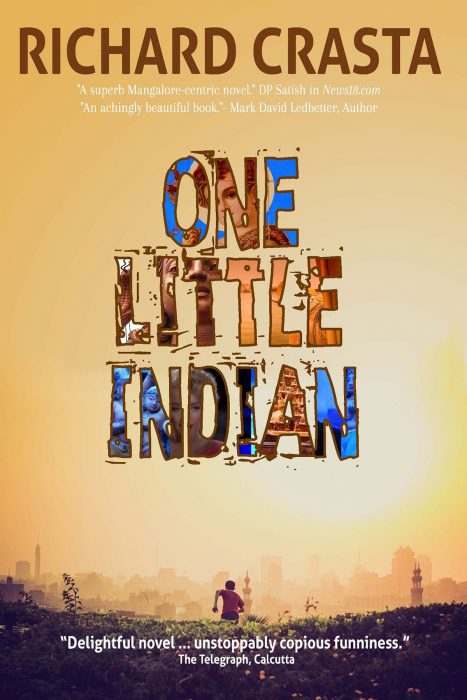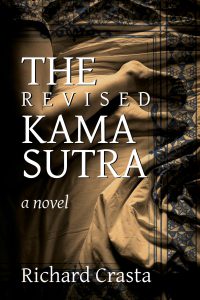
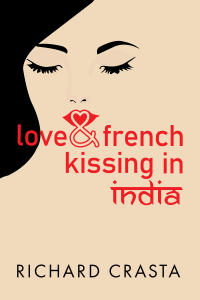
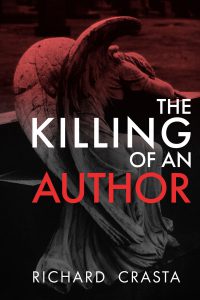
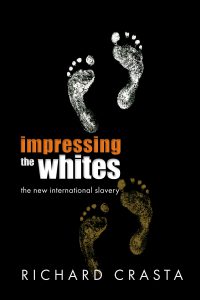
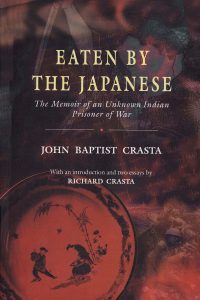

Richard Crasta, a Mangalore-bred, Bangalore-born Indian, decided at an early age that he would become a writer, and that his main focus would be to write on behalf of freedom and justice for all, but especially for children, who often are weak and don’t have anyone to support their point of view. In his fifteenth and sixteenth years, he came across powerfully convincing endorsements for an American business called “Famous Writers School,”—where, he felt, his talents would be recognized, because America was a free and fair country, one whose ideals were: freedom and equal justice. He felt, at the time, that the United States of America was the best place to fulfill such a dream: to write (being a writer was the best job in the world next to president of the United States). And if Saul Bellow could write so beautifully, and also become a millionaire as a result (after all, he had won the Nobel Prize, and had written bestsellers), why not he too? This was his American Dream, and he wrote what he considered to be one of the boldest novels ever written by an Indian writer writing in English.
But then, after a year or two of working for his dream in America, where most ordinary people had not heard of Famous Writers School (it was a scam, at least the “famous”part), he realized that this degree of total freedom was not equally available to brown and black writers. He decided to tell his now-expanded story: the story of his struggle for Indian literary freedom on the world stage.
This book could also have been titled A Richard Crasta Reader or A Richard Crasta Sampler, and subtitled The Struggle for Indian Literary Freedom in New York and London.
Why London and New York? which are the capitals of Western publishing (and of literary colonialism?)? And many others may not understand until you read this sampler, or the three books of Richard Crasta’s Freedom Trilogy.